Worms in a toilet bowl usually come from drain fly larvae feeding on buildup inside the drain, bloodworms growing in stagnant water, or earthworms entering through a cracked sewer line. Cleaning the bowl removes what you can see, but a plumber should inspect the toilet drain and sewer line to find and remove the source.
Finding worms in the toilet is unsettling, but it happens more often than most homeowners expect, especially in bathrooms that sit unused for days at a time. Our licensed plumbers in Wellesley, MA, inspect the toilet, the drain, and the pipes beyond it to locate the source of the problem and eliminate it. The type of worm you see, and when you see it, says a lot about where the problem starts and who should handle it.
Key Takeaways
- Small dark worms in a toilet bowl are usually drain fly larvae feeding on the slimy film inside drains and traps.
- Red worms in a toilet are typically bloodworms, which develop in stagnant water sitting in rarely flushed waste pipes.
- Earthworms in a toilet usually point to a crack or gap in the underground sewer line.
- Worms that appear right after a bowel movement may be intestinal parasites and call for a doctor, not a plumber.
- Wellesley homes with a private well face a higher risk of water contamination than homes on the town water supply.
Why Worms Might Appear in Your Toilet Bowl
Worms appear in a toilet when something in the plumbing gives them food, standing water, or a way in. The color and shape of what you see narrows down which part of the system is involved.
Dark Worms Are Usually Drain Fly Larvae
Small, dark worms in the toilet are most often drain fly larvae. Drain flies, also called moth flies, lay their eggs in the waste and slimy organic film that coats the inside of toilet pipes, drains, and traps. The University of Maryland Extension notes that drain fly larvae feed on the algae, bacteria, and fungi in that film, and that development from egg to adult can take 7 to 28 days.
That life cycle explains why a few larvae in the bowl usually mean a larger population is living farther down the pipe. Working in homes across Wellesley, our plumbers pay close attention to guest bathrooms and basement half baths, since fixtures that go days without a flush give the film time to build up.
Red Worms Are Usually Bloodworms
Red worms in the toilet are commonly called bloodworms. Bloodworms are the larvae of midges, small flies that breed in still water, and in a home they come from poor quality, stagnant water sitting in the waste pipes. Seeing them suggests water is settling somewhere in the drain line instead of flowing out to the sewer, which can point to a partial clog, a sagging pipe, or a fixture that rarely gets used.
Earthworms Usually Mean a Sewer Line Problem
Earthworms in the toilet usually mean the underground sewer line has a hole, crack, or separated joint. Earthworms live in damp soil outdoors, so the only practical way for them to reach a toilet is by migrating through an opening in the buried pipe. Tree roots, shifting soil, and aging pipe material can all create those openings over time, and the same gaps that let worms in can also let wastewater out into the soil.
How to Get Rid of Worms in Your Sewer Pipes in Wellesley, MA
Getting rid of worms in your sewer pipes takes two things: removing the buildup they feed on and fixing the condition that let them in. A clean bowl is the right first step, but lasting results depend on what is happening in the drain line.
These steps address the most common causes, starting with the ones homeowners can safely handle:
- Deep clean the toilet: Scrub the bowl and under the rim with a toilet cleaner to remove the bacteria and grime that draw insects and give them a place to lay eggs.
- Flush unused toilets regularly: Toilet disinfection and regular flushing matter most in bathrooms that are rarely used, since solids and sludge build up in the waste pipe when a toilet sits.
- Improve bathroom ventilation: Run the exhaust fan during and after showers, because high humidity creates a more inviting space for drain flies and other bugs.
- Have the drain line cleared: A blockage in the sewer line or in the pipe near the base of the toilet gives worms a place to breed, and professional drain cleaning removes buildup that household cleaners cannot reach.
- Repair damaged sewer pipe: A plumber can inspect the sewer line with a camera, locate cracks or root intrusion, and repair the damaged section so pests can no longer get in.
Water Quality and Private Wells in Wellesley
Worms in the toilet can also raise questions about water contamination. Wellesley’s municipal water comes from town groundwater wells, including wells near Morses Pond, along with water purchased from the Massachusetts Water Resources Authority (MWRA), and the town tests and reports on that water every year. Homes with a private well carry a higher risk of contamination because no utility is testing that water. If worms keep showing up and your home draws from a private well, have the water tested, and ask our team about a water filtration system if the results call for one.
Should Seeing Worms in Your Toilet Bowl Be a Concern?
Worms in a toilet bowl are a sign that something needs investigating, and in most cases the cause is in the plumbing rather than a health problem. The timing and type of worm tell you whether to call a plumber, a doctor, or a veterinarian.
Each of these situations points to a different next step:
- Worms after a bowel movement: Worms that appear right after someone uses the toilet could be parasites living in the intestines, and anyone who suspects this should call a doctor promptly.
- Flushed pet waste: If someone flushed feces from a dog or cat, the animal may have intestinal worms that are now living in the sewer pipes, so schedule a veterinarian exam for the pet.
- Worms that keep returning: Repeat sightings with no connection to bathroom use usually mean a buildup of solids in the waste pipe or a leak elsewhere in the sewer system that gives insects and worms an entry point.
Plumbing causes are the most likely explanation, and they do not go away on their own because the breeding material stays in the pipe until someone removes it.
When to Call a Plumber About Worms in the Toilet
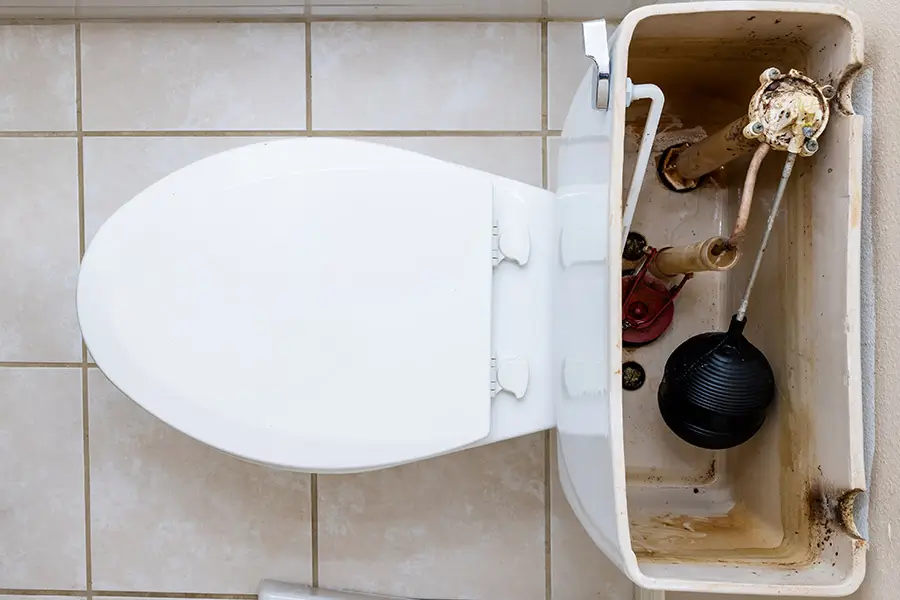
Call a plumber if worms return within a few days of cleaning, if you see earthworms, or if the toilet also drains slowly or smells like sewer gas. Any of those signs means the source sits past the bowl, in the drain or sewer line, where only a professional inspection can reach.
The right repair depends on where the problem is. A worn seal at the base of the toilet can let pests and moisture in around the fixture, and our toilet repair and installation service replaces worn seals and parts or the toilet itself when it is cracked. Problems farther down the line call for a sewer camera inspection, which shows whether the pipe has a single damaged section or wider root intrusion before any digging starts. Based on what we see in Wellesley properties, from the streets around Wellesley College to the neighborhoods near Longfellow Pond, confirming the cause first is what keeps worms from coming back after the repair.
Frequently Asked Questions About Worms in a Toilet Bowl
Are worms in a toilet bowl dangerous?
Worms in a toilet bowl are rarely dangerous on their own, but they signal a sanitation or plumbing problem that is worth fixing quickly. Drain fly larvae and bloodworms do not bite, though the buildup they feed on carries bacteria. The exception is worms tied to bowel movements, which a doctor should evaluate.
Why do I only see worms in one toilet?
Worms in only one toilet usually point to a problem in that fixture’s drain branch rather than the main sewer line. Low-use toilets in guest rooms or finished basements are common spots because water and waste sit long enough for larvae to develop. If every toilet in the house has worms, the main sewer line is the more likely source.
Will bleach get rid of worms in the toilet?
Bleach can kill the worms you see in the bowl, but it does little to the slime film or blockage farther down the drain where larvae breed. That is why worms often return a few days after a cleaning. Clearing the drain line removes the breeding source itself.
Can worms in the toilet come from my water supply?
Worms rarely come from a municipal water supply, since public water is treated and tested before it reaches your home. The Town of Wellesley publishes an annual water quality report for its residents. Homes on a private well are more vulnerable, so testing well water makes sense if worms appear in clean fixtures.
Do worms in the toilet mean I need a new sewer line?
Worms in the toilet do not automatically mean you need a new sewer line. Many cases are solved by cleaning the drain or repairing one damaged section of pipe. A camera inspection shows whether the line has an isolated crack or widespread damage, which decides whether a spot repair or a replacement makes sense.
Rely on Local Plumbers for Toilet Issues at Your Wellesley, MA, Home
Worms in a toilet bowl usually trace back to buildup in the drain, stagnant water in the waste pipe, or an opening in the sewer line, and the fix starts with finding which one is responsible. Whether you see a worm in the toilet bowl or need help with another toilet problem, make your first call to the experts at Test of Time Plumbing, Heating, Air & Electrical. Our plumbers serve homes throughout Wellesley, and we will investigate the problem, find the source, and stand behind the work. To request an estimate for toilet drain cleaning or other plumbing services, reach out to our team.